
Ah puns. They have been dividing opinion for a long, long time. No matter how refined your sense of humour may be, I believe there is always space for a little punnery. Whether they are in the realm of a dad joke (cue the odd eyeroll), or something a little more unique, puns have a tendency to pop up all over the place.
A pun is a form of word play that exploits multiple meanings of a term, or of similar-sounding words, for comedic effect. Puns play with meaning. They keep you on your toes by disturbing the proper flow of communication. The English language, with its abundance of overlapping sounds and large vocabulary, provides a rich playground for punning.
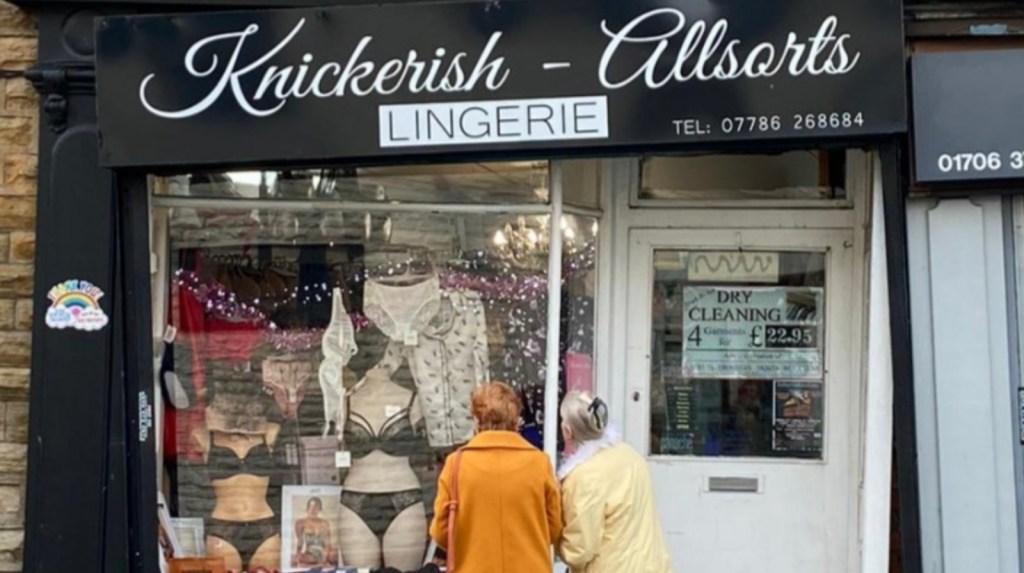
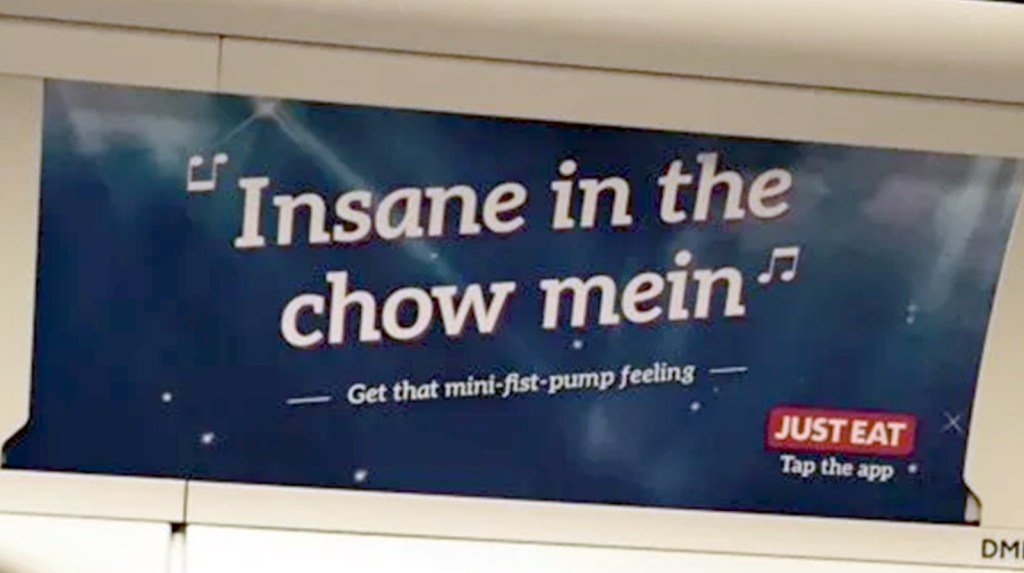
Often utilised for their attention-grabbing or mnemonic qualities, puns are commonplace in the names of restaurants, shops and businesses, and frequently seen in headlines, advertising and slogans. Over the last few years, I’ve increasingly seen them appear on clothing.


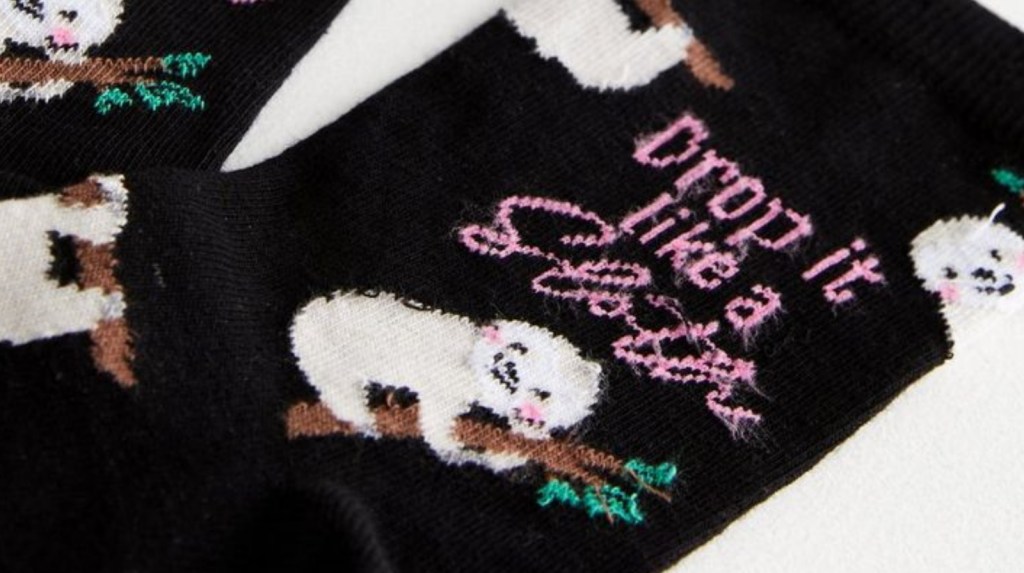
Did I buy all of these? Yes.
Sometimes regarded as the lowest form of humour, you may find it surprising to learn that puns are actually the subject of serious academic study. John Pollack, former presidential speechwriter and winner of the 1995 O. Henry World Championship Pun-Off, is a defender of the pun and emphasises their complexity.
“The power of a pun comes from two things. One is its ambiguity, and second is: that it enables you to pack more meaning, or more layers of meaning, into fewer words. And so, if you’re trying to convey complex ideas, puns can be really powerful tools to do that.”
John Pollack
However, utilising puns can be tricky. To an extent, puns could be regarded as in-jokes – their usage and meaning are often specific to a particular language, culture, social group, occupation or other community of shared interest. A pun will not land with someone who is unaware of the circumstances and the cultural reference behind it.

#Where are my knife and fork?#
This restaurant’s name may be taken a little more literally by those unfamiliar with alternative metal from the 2000s. But for those it lands with, its creative title raises a smile, a sense of nostalgia and could even lead to a burst of song.
Puns in history
Puns have been around a very long time and appear in nearly every major language. Back in the 7th Century B.C. puns were noted in a text about floods. Sanskrit is rich with puns too and may even provide the source of the word itself. In that language, “pundit” is a person who packs ambiguity – hence “pun” may derive from the same root, although this is disputed.
Others have suggested that ‘pun’ comes from pundigron, which most likely stems from the Italian puntiglio, meaning “equivocation, trivial objection.” However, this is speculation, and the parentage of pun remains unknown.
If we fast forward to Elizabethan times, Shakespeare was creatively using puns in his plays – he included over 3,000 of them and they weren’t just restricted to his comedies. Seen as a sign of literary refinement, they were frequently employed in seemingly inappropriate scenes such as when a dying Mercutio quips “Ask for me tomorrow, and you shall find me a grave man” in Romeo and Juliet.
Many years later, one of our most influential film makers agreed with the Elizabethans:
“Puns are the highest form of literature.”
Alfred Hitchcock
Puns in advertising
Advertisers and marketers have a tricky task should they consider using puns in their campaigns. They need to be careful that they invoke the right kind of reaction. Few people enjoy being sold to, but when this is coupled with poorly received humour, it can lead to annoyance.
As we’ve mentioned, puns are often linked to culture. Advertisers need to consider whether a pun is too niche. If the target audience doesn’t understand it, then it has missed the mark and the campaign’s success will be impacted.
Is the pun original? Is it clever? A tired old pun won’t help a brand’s image. If the right pun just can’t be found, there are numerous other ways to incorporate humour into a campaign.
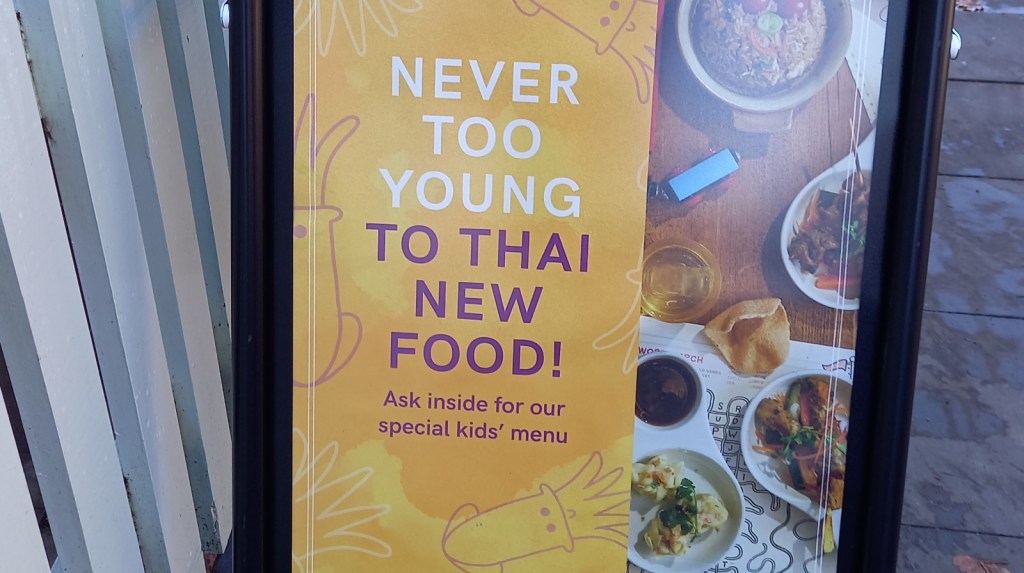

Although a pun used in advertising shouldn’t be boring or predictable, it also shouldn’t be taxing to understand. If a pun needs to be explained or deconstructed by the intended audience, then it isn’t going to resonate.
However, if that elusive mix is found, an original pun can add warmth to a campaign, work well with a brand’s personality and grab the audience’s attention. All of these elements also help promote the memorability of an ad, which is half the battle in a world full to the brim of media messaging.
The good, the dad and the smug(ly)
“A pun is the lowest form of humor, unless you thought of it yourself.”
Doug Larson
So often pun-based, the dad joke falls into its own category of being so bad, they are good. Gathered over the years, these can be deployed at any moment, often to a chorus of groans. I believe that the mocking is affectionate – after all, these jokes aren’t meant to be world-class. They are meant to be predictable and cheesy.
On the note of cheese, should you require a fix of dairy-inspired punnery, “Weird Al” Yankovic has helpfully obliged. The master of puns and the comedic parody helped to design a crossword for the New York Times in April 2018, filling it with cheese-inspired puns. With crackers (lol) as “A Few Gouda Men” and “Feta Attraction”, your cheese pun repertoire will no doubt benefit from having a go at completing it here.
If cheesy crosswords aren’t your thing, the wonderful late Leslie Nielsen delivered punny dialogue throughout his Naked Gun and Airplane films. Always endearing and delivered straight faced, he gives us a masterclass in puns, many of which seem to have become standard dad joke fodder.
Dad jokes and bad Christmas cracker jokes share some commonality, not only for their use of puns. Intentionally bad jokes can act as a way to bond us together. Professor Richard Wiseman, author of “LaughLab, the scientific quest for the world’s funniest joke”, noted that cracker jokes are so poor that when people groan at them, the joke can be blamed – not the person telling it.
“Bad jokes are actually surprisingly good at bonding people together. Having a terrible joke and having people say, ‘who writes this rubbish?’… it actually does a good job at bonding people together.”
Professor Richard Wiseman
So, perhaps we should show puns a little more love. After all, the English language is a playground, and these guys have room to grow. You could say that they are punstoppable (…I’ll get my coat).


Leave a Reply