It’s a question that can stop us in our tracks. In the hustle and bustle of daily life, where every task feels like it’s tied to an ever-growing (and never completed) to-do list, it can be hard to find time to pause and reflect. Yet, it’s often in these moments of stillness that our best ideas can be found.
Inspiration is everywhere – the trick is taking the time and being in the right mindset to be receptive to it. It’s not a mystical concept that only a select few are fortunate enough to experience – it’s all around us, although it can be hard to see with our heavy cognitive loads and busy lives.
The space you occupy
Think about where you are right now. What sights, sounds and feelings surround you? Maybe you’re at home, in a café, or outside with the world unfolding around you. Each place has its own unique energy that can stir up ideas. If you’re at home, consider the objects within your space. They carry memories, emotions and stories. Some items make us feel grounded and thankful, while others may evoke more complex feelings.
Take a moment and ask yourself – are there things in your environment that no longer serve a purpose?
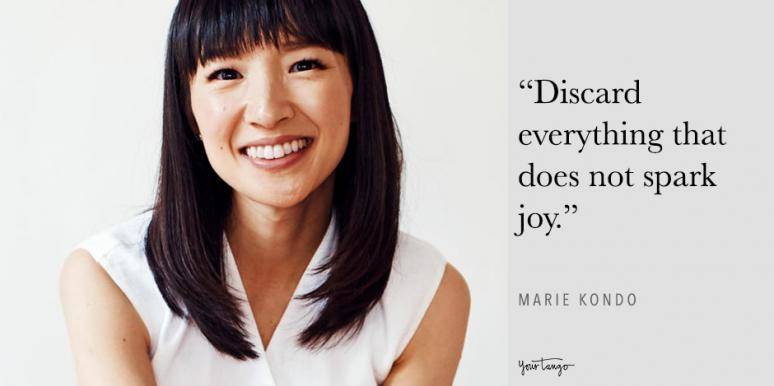
The advice from Marie Kondo about letting go of possessions that no longer resonate with us isn’t just about decluttering – it’s about freeing ourselves from the weight of unnecessary things. In doing so, we create space for new ideas and inspirations to enter our lives.
Many things – and I’m guilty of keeping some of them – don’t necessarily stir up joy, yet still reside within our homes. Does that mean they should be discarded? Things we collect as we travel through life do become more than just ‘things’ once we attach meaning to them.
Sometimes, it’s the smallest things – a photograph, a trinket, or an old gig, theatre or cinema ticket – that trigger moments of deep reflection or creativity. These objects connect us to memories, feelings and past versions of ourselves. Even the photos where we feel we look less than ideal – the closed eyes, the awkward pose, the messy hair – have value. They are fragments of time.
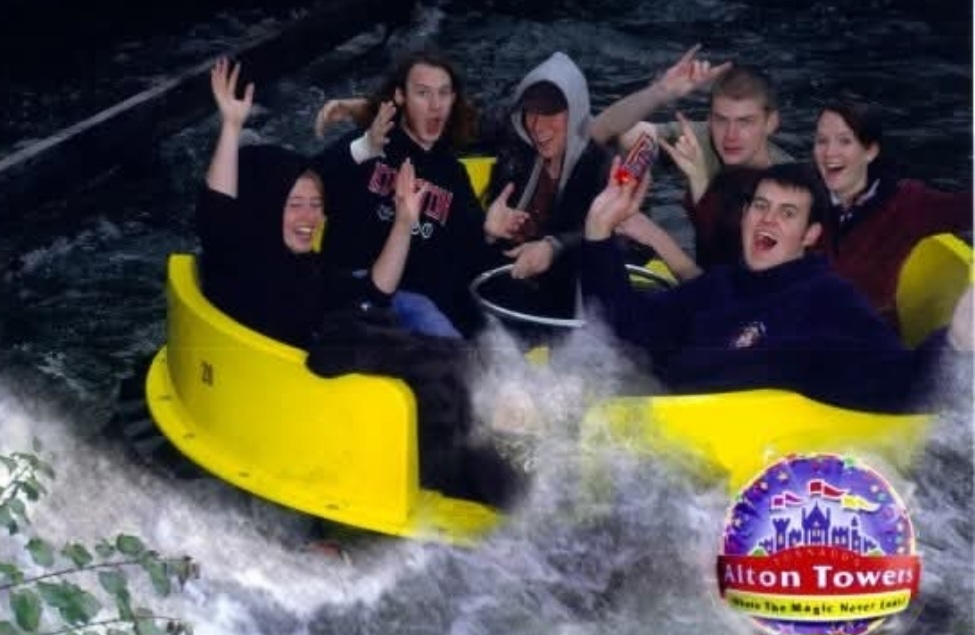
When you look at those photos, ask yourself – what do you remember about that moment? Was it the way you looked, or was it the joy of being there?
For photos with family or loved ones – do you feel that they care more about your appearance, or the fact that you were there in that moment with them? If the question were reversed, what would your answer be? If life disrupts your plans and you find a vacant space where someone should be, would you care what they look like in old photos?
From little acorns…
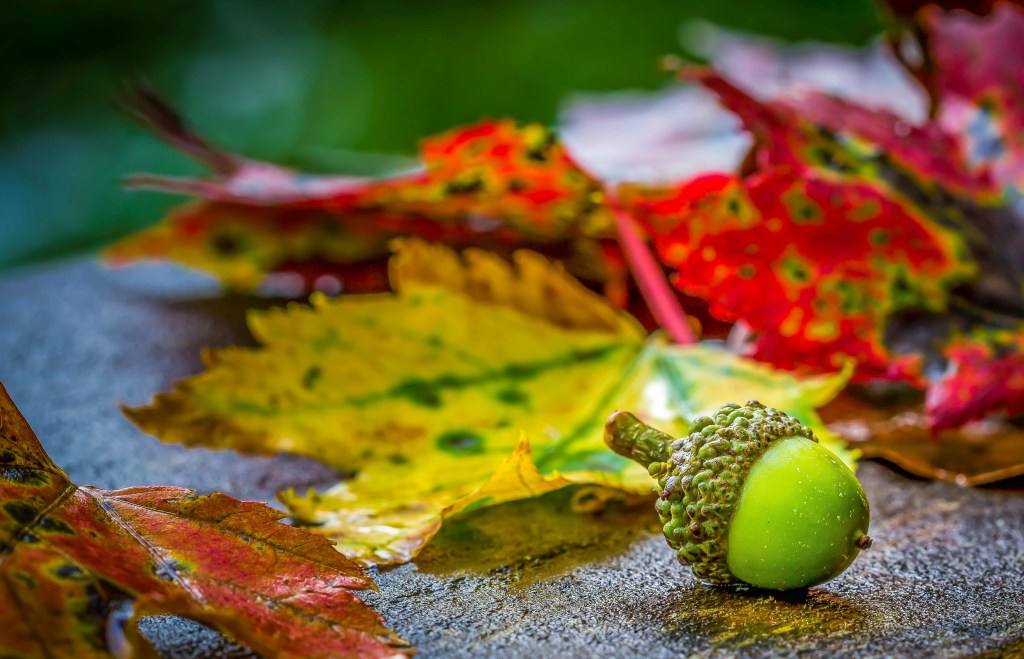
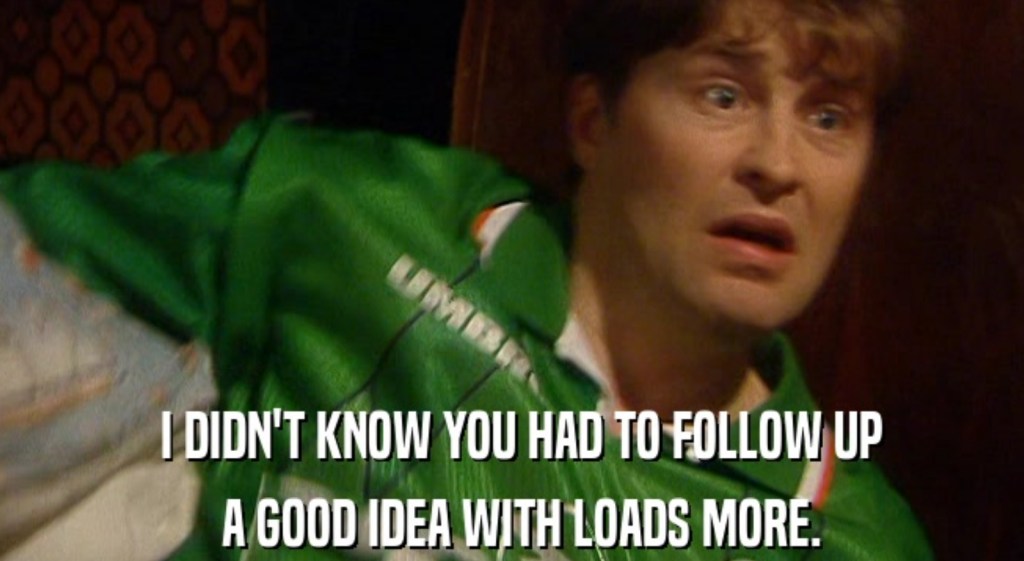
Any idea – no matter how small or unformed – can grow into something much bigger. It’s important not to feel the pressure to come up with a brilliant, fully formed idea right away (Dougal felt this pressure!) The rush to have everything figured out can be overwhelming and demotivating. Instead, allow yourself the freedom to let ideas come naturally, bit by bit.
Think of your idea as an acorn – it doesn’t need to be a towering oak tree from the start. A thought can grow over time, evolving and shaping itself into something meaningful. It can sit with you for a while, quietly waiting to be nurtured, until the time feels right to build on it. Inspiration doesn’t need to be immediate – sometimes, the best ideas develop in the unlikeliest moments, whether you’re singing in the shower, walking outside, or chatting with friends.
Discussing it with someone else might help you view it from different angles, sparking new thoughts and helping it grow into something more refined. Don’t be afraid to let others play a part in your creative journey.
Nature’s inspiration
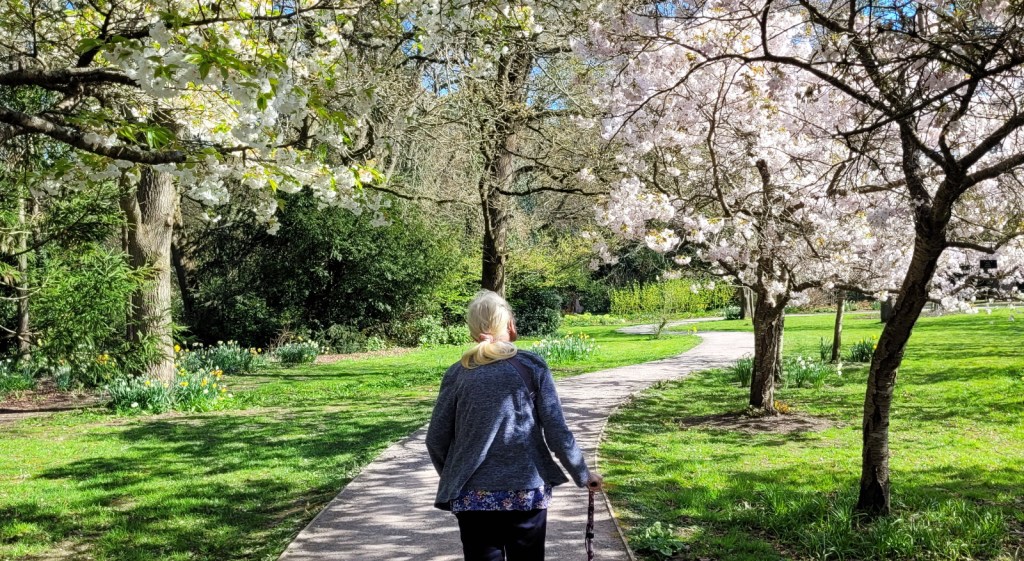
When we talk about inspiration, we can’t overlook the profound effect nature can have on our creativity. Whether it’s the sound of leaves rustling in the wind, the sight of the sun setting over the horizon, or the feeling of the earth beneath your feet, nature has a unique ability to stir something deep within us.
There’s something about stepping outside and disconnecting from the noise of modern life that invites new ideas. Nature, in its simplicity, offers a space for reflection and imagination. The changing seasons, the intricate patterns in leaves or clouds, the vastness of the sky – can all spark creativity in ways we may not expect.
Going for a walk outside, whether in the woods, along the beach, or just through a park, can be enough to clear your mind and allow new ideas to flow. The rhythm of your footsteps, the gentle breeze, or even the quiet solitude of a natural setting can make space for your thoughts to wander and connect in new ways. Nature serves as a reminder that we are part of something much larger, encouraging us to think beyond the confines of our immediate surroundings.
Let the children play
When we were children, creativity flowed freely. From taking bark rubbings, to making up games or trying to build something inspired by Blue Peter (damn you Tracy Island), we didn’t focus too much on the end result or whether we were going to please someone else.

As we grew older, something shifted. The pressures of ‘adulting’ crept in – responsibilities, deadlines, the pressure to succeed. We tucked away our playful, creative selves in favour of more structured, practical pursuits. However, that part of ourselves can be coaxed back into our adult daily lives. We can give it a voice or another form of creative expression – it may be that it was just hidden and not really lost at all.
Reconnecting with your inner child can be incredibly liberating. Whether through art, writing, or play, revisiting the activities you enjoyed as a child can unlock a wealth of creativity. Think back to those carefree moments – what did they teach you about who you are? Give yourself permission to play, even as an adult. After all, creativity doesn’t have an age limit.
Permission to be creative
Sometimes, inspiration strikes at the most intense moments of life. A celebration, a loss, a new chapter – these are the moments when emotions run deep and creativity can flourish. The highs and lows of life provide rich soil for growth – sometimes our best ideas come from places of joy, grief, or uncertainty.
When we open ourselves to exploring those emotions, we often find that others are drawn to our stories. Whether through art, writing, or music, our vulnerability can resonate with others who have walked similar paths.
Remember that the meaning we derive from something may not always align with the creator’s original intention. It’s ok if a song, book, or film speaks to you in a way that’s different from what the creator had envisioned. In fact, that’s the beauty of art – it’s fluid and changes depending on who’s experiencing it.
Give yourself the freedom to be creative. Don’t hold back, even if the inspiration feels messy or unrefined. Sometimes the most unexpected ideas come from the places we least expect.
So, where do ideas come from?
I guess the answer is – everywhere. From the things you’ve held onto, from the memories you’ve lived, from the playful spirit that’s still within you, from the raw, vulnerable moments of life and from the natural world that surrounds us.
Inspiration doesn’t wait for the “perfect” moment – it’s always there, hidden in plain sight, ready to be uncovered when you take the time to pause, reflect and give yourself permission to be creative. Don’t wait for it to find you. Go out and seek it. When you do, you might just be amazed at what you discover.


 Christine's Craft
Leave a comment