How forgotten language can help us get back to nature
Discovering a new word can feel like a small, joyful revelation, much like the way a shift in the weather catches us off guard. When was the last time you truly paused to appreciate the natural world, or learned a word that allowed you to see it more clearly? As children, we absorb words with ease – an average of nine or ten per day – making us fluent in around 60,000 words by the end of our school years. As adults, we often overlook the lifelong benefits of expanding our vocabulary – improved concentration, enhanced memory, better communication skills to name a few.
As summer fades away and autumn sets in, it’s the perfect time to delve into the forgotten vocabulary of nature. Modern life can make it easy to lose touch with the rhythms of the world outside, yet reconnecting through language offers a powerful way to restore that bond. Perhaps, instead of simply commenting on the weather (a well-loved British pastime!), we could begin to really notice the beauty and patterns around us.
In this piece, I’d like to share a collection of forgotten words that offer unique and different ways to experience and describe nature. These terms not only deepen our connection with the environment but also remind us of the rich history of human interaction with the natural world.
Smeuse

Dating from the early 1800s, this word evokes the quiet, unseen movements of small creatures as they wriggle through hedges, carving out hidden pathways. With an onomatopoeic quality, we can almost hear the rustling leaves and the faint scurrying.
As modern life reshapes landscapes with fenced gardens, roads and other barriers, these natural passageways have, unfortunately, become much rarer. However, hope is not lost as we see a growing effort to preserve wildlife corridors with the creation of tunnels under roads or gaps in fences to allow animals to move safely. Perhaps now is the time for a new word to describe these human-made “smeuses.” Fauna-ways, paw-paths, wildlife walkway – labelling a new term could help to bring greater awareness of the nature that moves and thrives just beyond our gardens.
Ammil
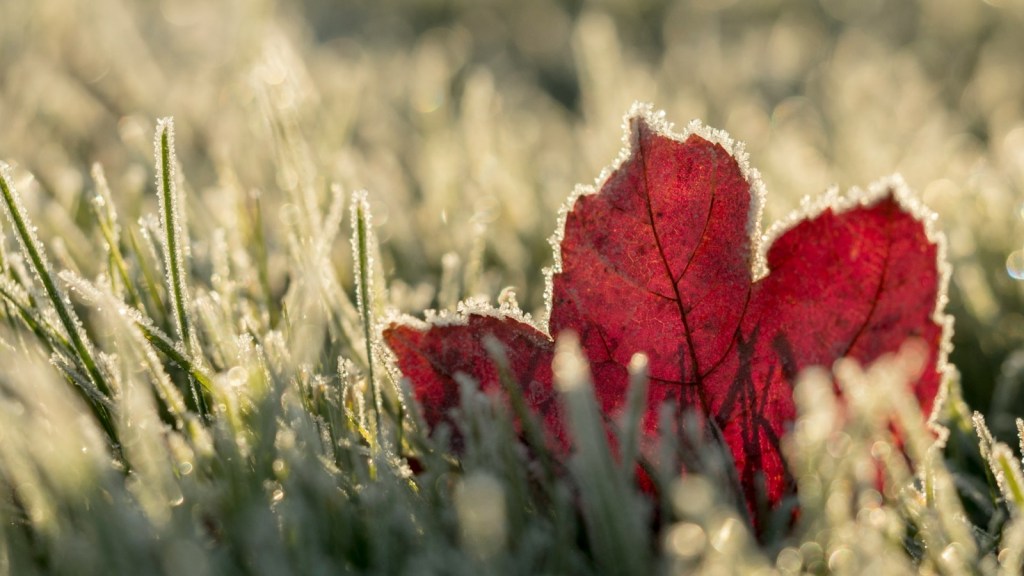
A Devonshire term describing a thin layer of ice that covers leaves, twigs and blades of grass after a partial thaw and a freeze. This is the crisp scene that often greets us on cool autumn and winter mornings when the early sunlight breaks through and causes the whole landscape to glitter.
“If there is sunlight, the frozen waterways gleam like polished silver, and when the wonderful phenomenon known as the ammil sheaths all the upland vegetation in a glittering ice casing, the diamond-bright splendour of each wild hillside baffles description…”
Devonshire by D.St Leger Gordon
Roarie-bummlers
It may sound like a whimsical creature from a Roald Dahl story, but this Scottish term has a much more ominous presence. Meaning “noisy blunderers,” it refers to the fast-moving, tumultuous storm clouds that barrel across the sky on windy days. These clouds, which occasionally seem to roar with the force of the wind behind them, are a powerful and unpredictable force of nature – one that might have you running for shelter if you spot them on the horizon!
Grimlins
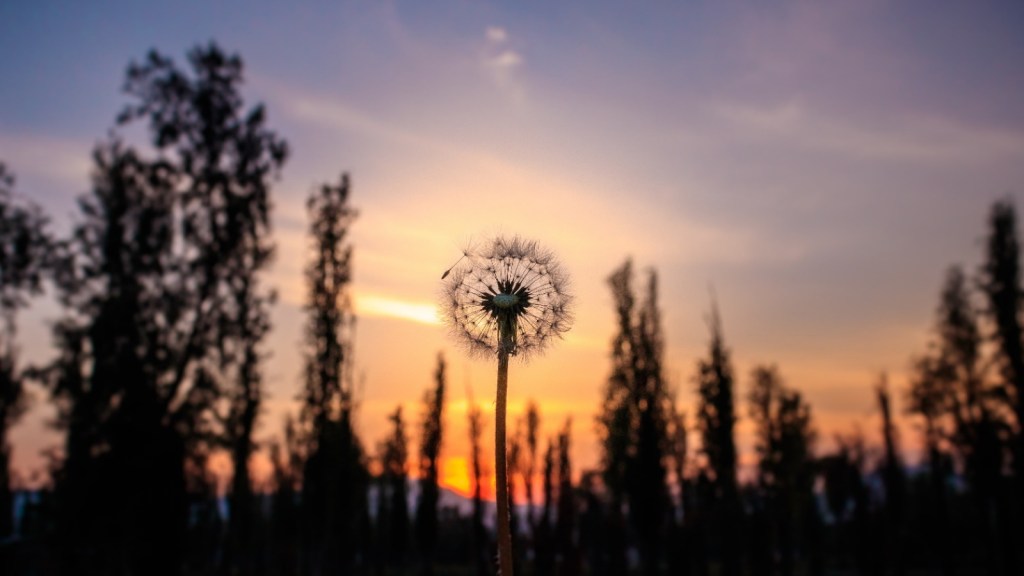
This wonderfully evocative word captures the mysterious, liminal moments during midsummer nights when the boundaries between dusk and dawn blur. During these twilight hours, it can be nearly impossible to tell whether the day is ending or beginning – a time when the sky holds a soft, shifting light and the world seems to hover in a state of in-betweenness.
In places far north, where the midsummer sun barely dips below the horizon, these “grimlins” might stretch into hours of ethereal light. It’s a time that feels dreamlike, when the usual markers of time fade and the night is less a descent into darkness and more a gentle transition back into the day.
Whewan

That all-too-familiar, biting wind that catches you off guard and causes you to regret not wearing that extra layer! Originating from Scotland (often attributed to Orkney), this term perfectly describes those sudden gusts of wind that howl around corners, managing to find the gaps in your clothing to send a shiver down your spine.
Trunnel

An old English word that refers to a natural tunnel formed by trees whose branches meet overhead, creating a leafy canopy. This term, which has largely been replaced by the more familiar “tunnel,” evokes a sense of walking through a hidden, living passageway, where nature itself forms a shelter above you. Tree trunnels are common in parks, wooded paths and even along country roads and their beauty shifts with the seasons.
In spring, these trunnels burst into life, with tender leaves and blossoms offering a vibrant green corridor filled with birdsong. As summer unfolds, the thick canopy provides cool shade, the perfect respite from the sun. Autumn brings a breathtaking transformation, with trunnels becoming a tunnel of reds, oranges and golds, as falling leaves carpet the ground in a patchwork of colour. In winter, the bare branches hold a stark, skeletal beauty, sometimes coated with ice or snow (see ammil!), shimmering in the cold light.
Apricity

A beautiful word that captures a simple but deeply cherished experience – the warmth of the sun in winter. This term evokes that fleeting, yet longed-for moment when a ray of sunlight breaks through the cold, offering a gentle warmth.
The comfort of apricity is special precisely because it’s unexpected and rare in the cold months. It’s a brief respite from the biting chill, a reminder that even in the heart of winter, the sun still holds the promise of warmth. Apricity is like nature’s gentle nudge, reminding us that though we may be deep in the season of ice and snow, spring is just beyond the horizon.
Cynefin
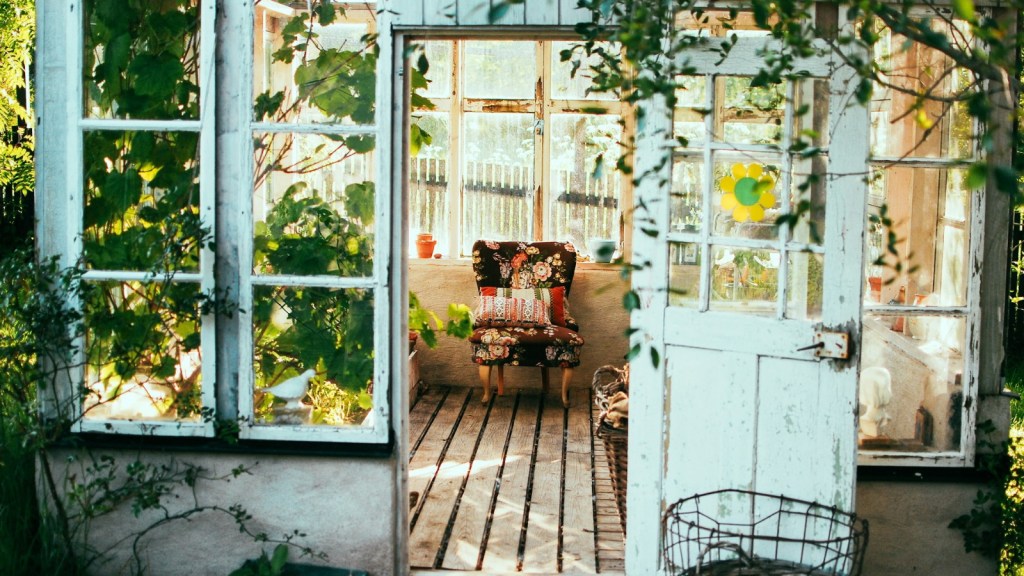
Pronounced “kuh-nev-in” this Welsh word carries profound emotional and cultural weight. It refers to a deep sense of belonging, a feeling of being intimately connected to a place where the landscape, people and personal history intertwine. More than just a physical location, cynefin represents a psychological and emotional home, the place where you feel an innate familiarity and comfort, shaped by both the land and the experiences you’ve had there.
The trees, rivers, hills, or streets of our cynefin aren’t just background – they are living elements of our story, part of a larger natural narrative. Every visit to a familiar place strengthens this bond, creating layers of memory and meaning that make it feel like home.
Summary
These words, with their specific and often poetic meanings, give us the ability to see and appreciate things that we might have otherwise overlooked – those fleeting moments in nature that weren’t there last week and may not be there next. By assigning a name, we not only notice them but also develop a deeper appreciation of the world around us.
Language has the power to shift our perception, revealing the hidden beauty and significance in everyday occurrences. Whether it’s the warmth of the sun on a winter day or the sight of storm clouds dashing across the sky, these words remind us to slow down, observe and engage with the natural world in a more meaningful way.
This reconnection to nature, facilitated by the act of naming and noticing, can help restore a sense of belonging – a grounding force that is especially important when we so often feel lost or disconnected in rush of modern life. By becoming more mindful of our environment, we can rekindle our relationship with nature and find a sense of place, both in the world around us and within ourselves.
 Christine's Craft
Leave a comment