
We are all storytellers. Throughout history and across the world, we have told stories of great heroes, daring deeds, magic, love, gods and adventures far from home.
Through these stories, we can learn about the morals of the cultures that they stem from and how they were used to promote shared values. After all, a shared system of beliefs and traditions are vital to a harmonious community, especially when uprooting and relocating was beyond the means of many.
Stories were often adapted to help reflect societal changes and shifting tensions – war, illness, political upheaval, religious persecution, famine, poverty – the list goes on.
In such uncertain times, believing in the messages delivered through stories and myths – the victory of good over evil, the reward of virtue, the evolution and triumphs of a conquering hero – would have provided a level of reassurance and solace.
Holding out for a hero
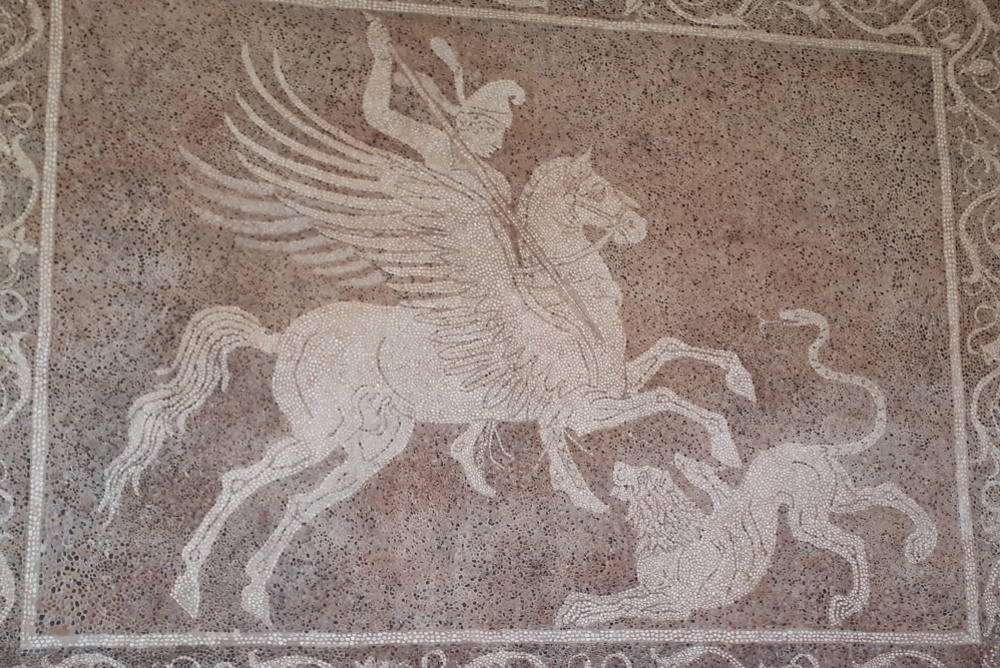
The hero is a figure head in mythology, frequently used to inspire, teach and set boundaries to be heeded by the audience. Whatever value that needed to be reinforced, a hero could be found to fit the bill, with virtues tweaked depending on societal tensions. For example, when at war, a tale could be adapted to enforce the virtue of bravery, the glory of battle and the victorious outcome of the chosen hero, acting as reassurance, as well as inspiration to go forth and face the enemy. The Romans loved a good war-based story, when bravery was a virtue installed in the young from an early age. The Norse also believed in the glory of death in battle, with Valhalla awaiting for the warrior elite who died this way.
The villains of the piece could also be adapted to mirror the enemy, downplaying their intelligence and upping their capacity for evil, cruelty, ungodliness, or whatever beliefs were held against them.
Reinventing stories and character arcs is as old as the stories themselves, with adaptions being made fluidly, especially when they were predominantly spread by word of mouth. Such adaptions weren’t just made to reflect the struggles of the age – preferences, prejudices and opinions of the person reciting the tale could also have come into effect. Exaggerations could also have been made, or aspects made more dramatic, amusing or terrifying to maintain engagement or to help reinforce a point.
Once a story is put in writing, it creates a marker of how it was told at that time and provides a useful measure for future adaptations to be tracked.
Not all heroes wear capes
Many ancient heroes are still well known to us – King Arthur and his Knights of the Round Table, the Amazons, Achilles, Morpheus, Thor, Loki (and any other mythology-based figures that have made their way into the Marvel universe, Harry Potter or indeed, many fantasy films or productions over the last few decades).
No doubt there would have been those that utilised these figures as a way to make a little money – after all, to be enterprising (as a kind term), is a frequent human trait. Pieces of hide belonging to the Nemean lion, magical potions from the hand of Merlin, the armour of Beowulf – as long as a hero held a sphere of influence, there would be those willing to pay a pretty penny for items that were (allegedly) linked to them or promised good fortune.
Today, things have moved on and we find ourselves flooded with marketing, seeing hundreds of messages every day urging us to part with our hard-earned moolah. In a sea of communication, seeing a face / hearing a voice that we recognise and admire, could well give the push that is needed to make a purchase.
Of course, different people have different heroes. Fans of Ronaldo will flock to buy his merchandise – as long as he continues to play well and make his fans proud, this is unlikely to stop. A Kardashian fan may be convinced to buy a product that is endorsed by one of the sisters, perhaps in the hope of emulating their look, their success or just buying credibility with fellow fans.
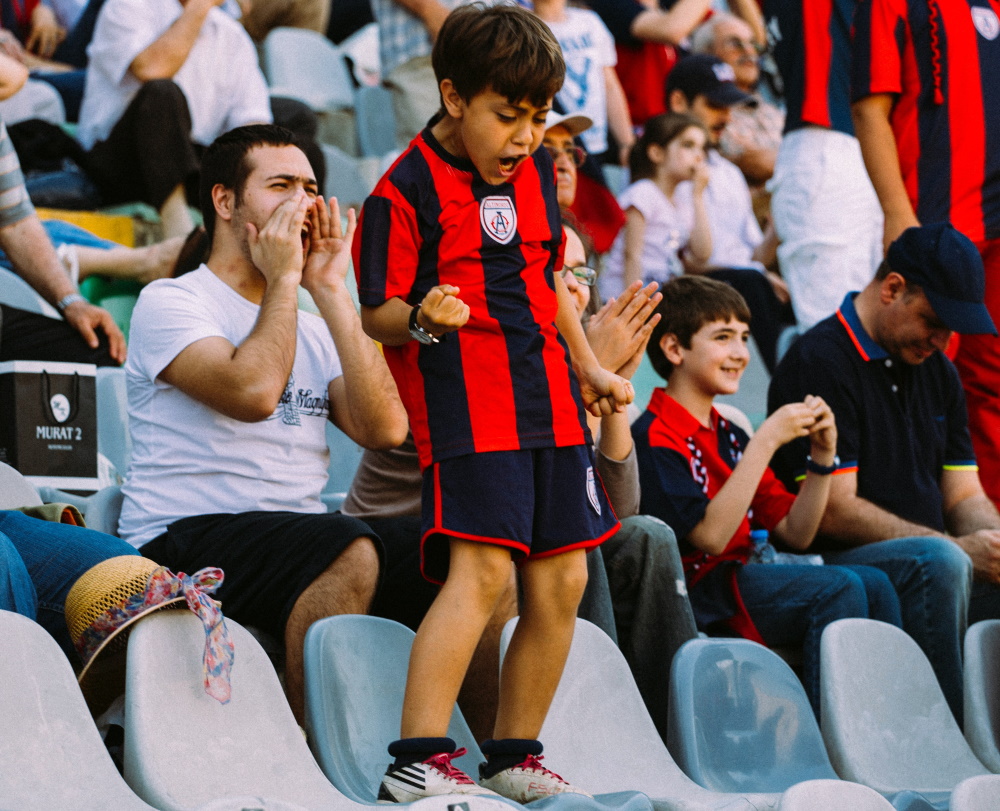
Using famous faces (or modern-day heroes) to enhance consumer recognition doesn’t always hit the mark. Being outspoken on a controversial topic, having a tumultuous personal life, being caught saying something against the brand (e.g., Helena Bonham Carter’s infamous comment “I don’t know why Yardley chose me, I don’t wear much make-up”) often results in an ambassador being dropped in order to try to maintain the brand’s reputation.
There is also celebrity fatigue. Those that incessantly reappear (sorry Kevin Bacon fans, but he does seem to be everywhere). Sometimes endorsements just feel strange and miss the mark – remember Johnny Rotten donning tartan to tout Country Life butter or the bizarre adverts featuring David Beckham promoting Qatar as part of the World Cup campaign?
We can be heroes…
The world has opened up. Through technology and our ability to travel, our knowledge and potential adventures extend beyond what those in the ancient world could imagine. The dark places in mythology, where catastrophe laid in wait, have been illuminated.
We have our pick of who we choose to escalate as our heroes and we have the ability to research them ourselves without relying on re-told stories. However, separating fact from fiction or hype, can be difficult.
With social media, we also have a new generation of heroes – the influencer. These guys can hold a huge amount of sway with their followers, which can number in the millions. Their sphere of influence cannot be ignored.
So where does that leave us today? Although messages and stories evolve throughout history, what remains true is that they always have a purpose – whether to act as a warning, to reinforce a value, to encourage you to live a life of worth, or to capture your imagination to enthrall you in a new product, service, TV show, film, etc.
Stories and heroes have always been with us – and they are here to stay.
 Christine's Craft
Leave a comment